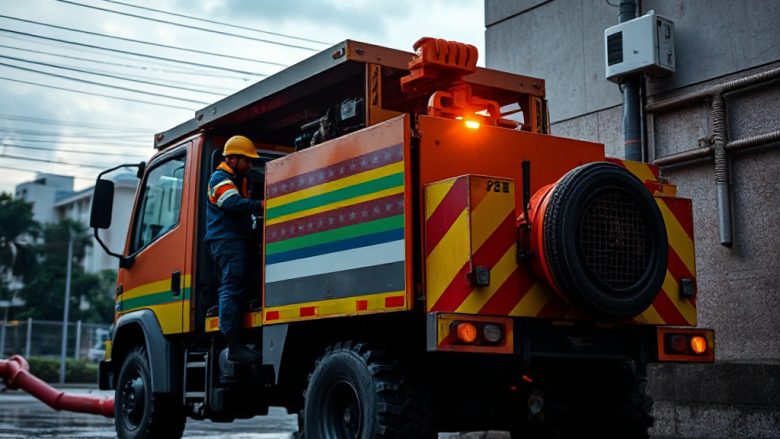
New to Taubaté? Here Is What a Desentupidora Actually Does
When I moved to Taubaté from abroad, the first thing that confused me was not the language or the food — it was the word painted on the side of a truck parked outside my new house. Desentupidora is simply the Portuguese term for a drain-cleaning and unblocking service. In two sentences: it is a company that clears blocked pipes, drains, and sewers, and in Taubaté those services are often available around the clock because plumbing emergencies do not wait for business hours.
If you have never called one before, the whole process can feel mysterious. I certainly felt that way. This short primer is what I wish someone had told me in my first week, written for anyone who is new to the city and facing a slow sink, a gurgling toilet, or a bad smell coming from the yard. The first thing to know is that a reliable desentupidora Taubaté SP is not just a person with a plunger — it is a trained team with proper equipment.
What the Word Means and What the Truck Actually Does
In everyday Brazilian Portuguese, “desentupir” means to unblock, and a desentupidora is the business that does it. The truck you see is usually equipped with a high-pressure water jetting machine, a long hose reel, and sometimes a vacuum unit for pulling out sludge. That equipment is what separates a professional service from a household plunger.
The most common tool is hydrojetting, which uses pressurized water to scour the inside of a pipe and push grease, roots, or scale away. For softer blockages, a rotating cable or auger may be used instead. If the problem is in the sewer line rather than a single drain, the team may also inspect with a camera before deciding what to do. None of this requires you to understand the mechanics — but knowing the truck is not just a fancy plunger helps you ask better questions.
Another service you may see advertised is limpeza de fossa, which means septic tank cleaning. If your new home is outside the central sewer network, this is a routine maintenance task rather than an emergency. A good local provider handles both, and you can read more about the range of work a desentupidora Taubaté covers before you call.
What to Say on the Phone When You Call
The phone call is where most newcomers freeze. You do not need perfect Portuguese. Start with your address and the type of problem: “Meu ralo está entupido” (my drain is blocked) or “A privada não desce” (the toilet will not flush). Then mention how long it has been happening and whether water is backing up elsewhere. That last detail matters because it tells the technician whether the blockage is local or in the main line.
Ask three practical questions before you agree to anything. First, is there a call-out fee, and does it include the first hour of work? Second, can they give you an estimate before starting? Third, do they offer 24-hour emergency service, since a burst or overflowing drain at night is exactly when you need someone. Write the answers down — it is easy to forget when you are stressed.
One warning from my own experience: avoid anyone who quotes a suspiciously low price on the phone and then adds charges after arriving. A professional desentupidora em Taubaté SP will explain the likely cause and the cost range before the truck pulls up. If the person on the line cannot tell you what equipment they will bring, that is a red flag.
How to Prepare Before the Team Arrives
While you wait, clear access to the drain or the septic tank lid. Move boxes, mats, or furniture out of the way so the technician does not have to. If the problem is a blocked toilet, stop flushing and turn off the water supply to the cistern if you can find the valve. For a backed-up sink, avoid pouring chemicals down the drain — they rarely fix a serious blockage and can make the job harder or unsafe for the technician.
It also helps to know where your main cleanout is. In many Taubaté houses it is a small capped pipe near the street or in the front yard. Pointing it out saves time and shows the team you have done your part. If you live in a condominium, tell the síndico (building manager) before the truck arrives, because some buildings require permission to access shared pipes.
Finally, keep a simple record of the visit: the date, what was done, and any recommendation the technician makes. Preventive maintenance is cheaper than emergency repairs, and a note like “hydrojet the kitchen line every year” is the kind of advice that saves you a flooded kitchen later. Once you have been through one call, the word on the truck stops being strange — it just becomes the number you keep on your phone.